
The Élysée searched: prosecutors breach the palace

An investigation into public procurement around Panthéon ceremonies has brought investigators inside the French presidential palace for the first time since 2018 — after a first attempt was turned away on constitutional grounds.
At a Glance
On May 21, 2026, investigators from France’s National Financial Prosecutor’s Office (PNF) carried out a search of the Élysée Palace as part of a judicial inquiry opened in October 2025.
The investigation centers on suspected favoritism in the award of public contracts to a single events firm — Shortcut Events — for over two decades of state ceremonies at the Panthéon, France’s national mausoleum.
A first search attempt in April 2026 was blocked on the grounds of presidential inviolability. It wasn’t blocked the second time.
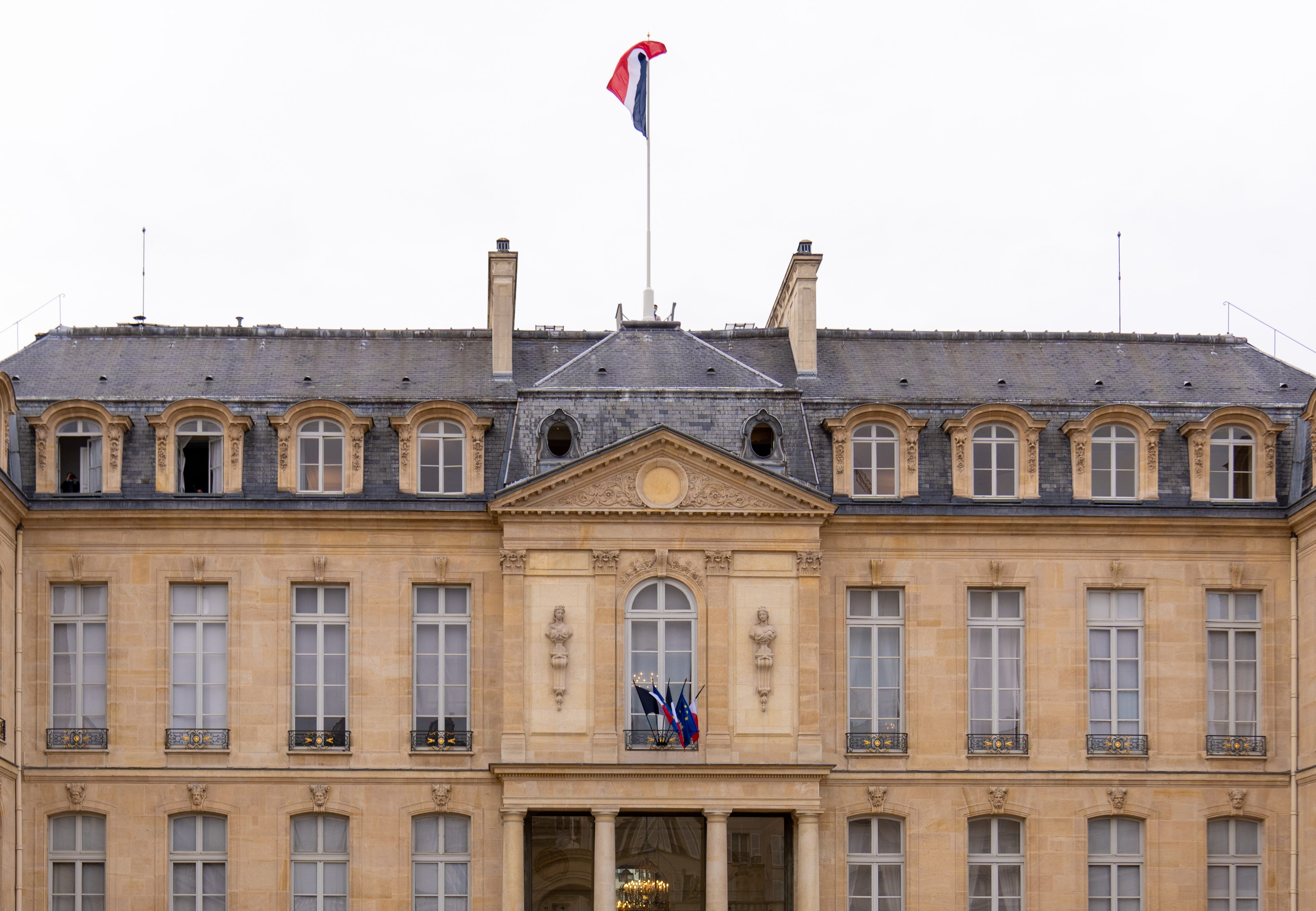
This image is used for illustrative purposes only.
The contracts behind a national ceremony
France’s National Financial Prosecutor’s Office (PNF) — the country’s specialized anti-corruption and financial crimes body, functioning roughly like an independent federal prosecutor — began a preliminary inquiry in December 2023, which led to the opening of a formal judicial inquiry in October 2025. The charges under investigation: favoritism, illegal conflict of interest, corruption, and influence peddling.
At the center of the case are public contracts for organizing panthéonization ceremonies, managed through the Centre des monuments nationaux (CMN), the French public agency responsible for state-owned historic monuments. Those contracts were awarded, for more than twenty years, to a single events company: Shortcut Events.
The Panthéon, the domed neoclassical monument in the heart of Paris where France enshrines its greatest figures — from Voltaire to Marie Curie — hosts elaborate state ceremonies whenever a new figure is inducted. Each such ceremony was billed to the state at around €2 million. The 2025 ceremony inducting the late jurist Robert Badinter — valued at €2.4 million — was the first to go to a different agency, Auditoire, ending Shortcut Events’ unbroken run. Investigators are now scrutinizing how that monopoly was sustained for so long, and who enabled it.
On May 21, 2026, PNF investigators carried out a search of the Élysée Palace in connection with this inquiry.
The Élysée search: when presidential immunity yields to procedure
What makes this episode legally significant is that investigators had already tried — and failed — once before. On April 14, 2026, the same team was turned away at the gates of the presidential palace. The argument invoked was the inviolability of presidential premises, rooted in Article 67 of the French Constitution: during his term, the head of state enjoys full immunity and cannot be subject to prosecution or judicial investigation for acts carried out in that capacity.
This time, the search proceeded — but not by force. The Élysée stated that, the investigation not targeting the President personally, and the guarantees being in place to respect both Article 67 and national security secrecy, the presidency had permitted investigators to carry out the acts they had requested. The PNF confirmed that the May 21 operations had been preceded by institutional exchanges to allow them to proceed.
On the substance of what investigators were looking for — and what they found — neither the palace nor the PNF offered further comment.
A previous breach of the sanctuary: the Benalla affair
The last time investigators entered the Élysée was July 25, 2018, during the first term of President Emmanuel Macron, after a presidential aide, Alexandre Benalla, was placed under formal judicial investigation for assaulting protesters at a May Day demonstration. That affair triggered a major political crisis and exposed significant gaps in oversight of those working in closest proximity to the French head of state.
That investigators have now returned — eight years later, over procurement contracts tied to republican ceremonies — suggests that the Élysée can no longer be treated as a de facto judicial sanctuary.
Analysis: the question the affair raises without quite asking it
The stakes here go beyond procedural law. Panthéonization ceremonies are powerful political acts: choosing who enters the Panthéon is, in effect, writing the national narrative. That the logistical organization of those ceremonies — and the selection of the contractors paid to stage them — is now under investigation for suspected corruption touches something more fundamental than a routine procurement dispute.
The timeline itself is striking. A preliminary inquiry opens in December 2023. A formal judicial inquiry follows in October 2025. A search attempt is blocked in April 2026. A search is carried out in May 2026. This progression could indicate that investigators built a sufficiently solid case to justify the institutional friction that comes with searching a presidential residence — though that remains an analytical hypothesis, not an established fact.
For a non-European reader, the closest analogy may be an independent special counsel obtaining a search warrant for the White House grounds. The legal frameworks differ significantly, but the institutional weight is comparable: an executive residence treated as beyond judicial reach, until it isn’t.
The question is no longer whether the Élysée can be searched — May 2026 settled that.
The Bottom Line
The question is what investigators found there, and whether a single events company’s twenty-year grip on France’s most solemn state ceremonies reflects isolated negligence or a deliberate system of patronage reaching into the highest levels of the state. The judicial inquiry is open. Its conclusions are not.
Sources: France Info · France 24 · Parquet national financier