
Swiss voters reject cap on population at 10 million

On Sunday, Swiss voters rejected a popular initiative from the Swiss People’s Party (SVP), the country’s largest party in the Federal Assembly, Switzerland’s parliament, which would have capped the country’s resident population at 10 million people by 2050. According to final results, 54.7 percent voted “no” — a decisive margin, though one that does not close the book on an immigration debate that has shaped Swiss politics for nearly two decades.
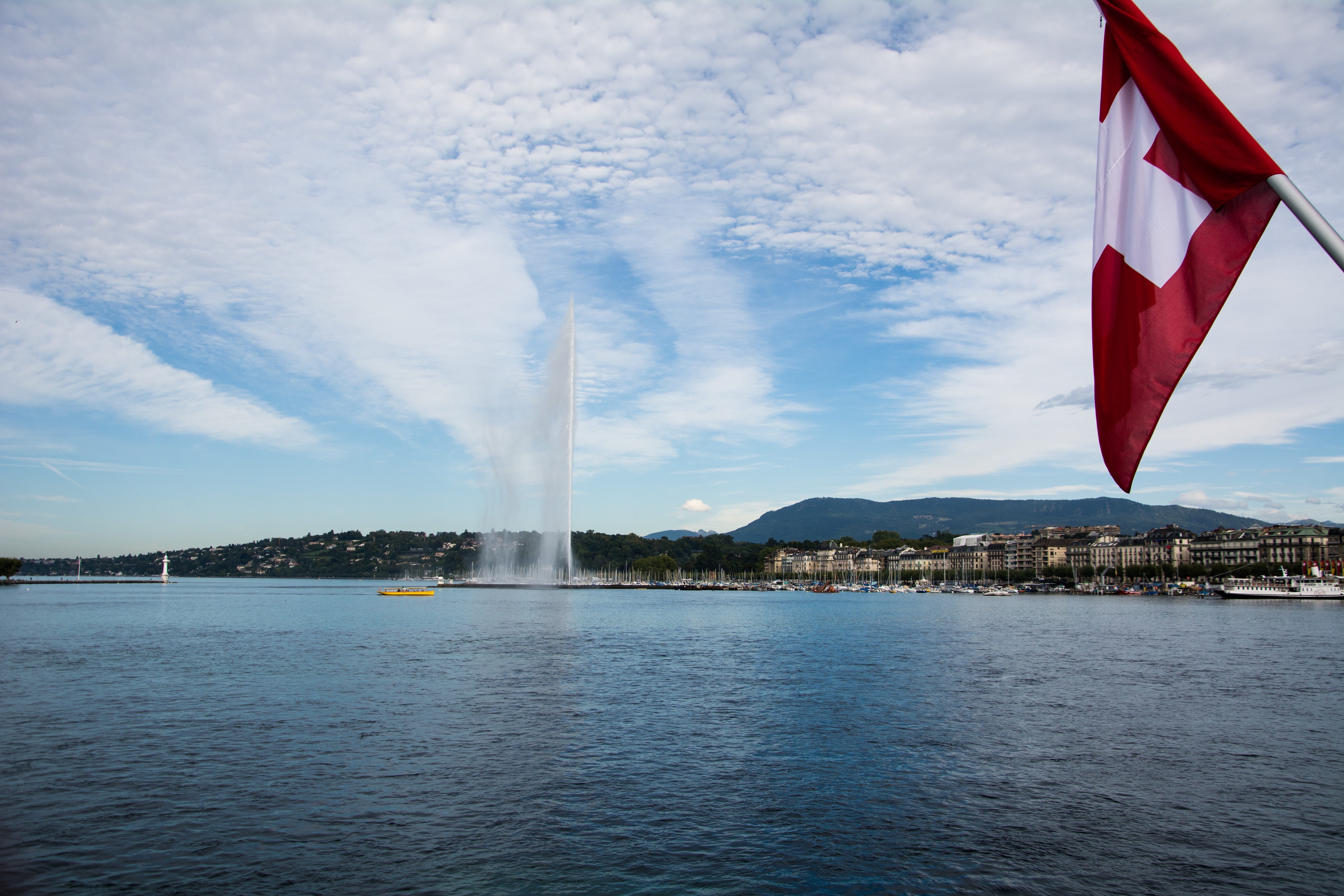
This image is used for illustrative purposes only.
At a Glance
The SVP’s “10 million” initiative was rejected by 54.7 percent of voters, according to final results, and by a majority of Switzerland’s 26 cantons
Had it passed, the measure would have forced sharp limits on asylum, family reunification, and residence permits, and could have triggered the end of Switzerland’s free movement agreement with the European Union
The vote, watched closely in Brussels, settles this specific proposal but not the broader immigration debate the SVP is likely to keep pushing
What the “10 million” initiative would have done
The initiative, filed by the SVP — a right-wing populist party that holds more seats in the Federal Assembly than any other — would have required the government to take action to prevent the permanent resident population from exceeding 10 million people by 2050. In practice, that meant tighter restrictions on asylum claims, family reunification, and residence permits. If the population reached 9.5 million before that deadline, the government could even have been forced to terminate the free movement agreement with the European Union, the treaty that allows EU citizens to live and work in Switzerland.
The SVP framed its proposal as a “sustainability initiative,” arguing that population growth was straining housing, infrastructure, and natural resources. The federal government, parliament, labor unions, and the business association economiesuisse all opposed it, arguing that foreign workers fill critical labor shortages in health care, finance, pharmaceuticals, and technology.
A clear rejection, with sharp regional divides
The “no” vote won in a majority of Switzerland’s 26 cantons. The strongest opposition came from Basel-Stadt (73.48 percent), Neuchâtel (67.26 percent), and Geneva (65.42 percent) — Geneva, the country’s second-largest city and home to numerous United Nations institutions, rejected the measure by nearly two-thirds. Rejection was especially pronounced in French-speaking cantons like Geneva and Neuchâtel, as well as in major urban centers. Turnout exceeded 57 percent, with some estimates putting it closer to 59 percent — well above the roughly 49 percent average for Swiss referendums in recent years.
Support for the initiative remained stronger in rural areas. Switzerland’s justice minister, Beat Jans, said the outcome sent a message of stability and openness to the rest of the world. SVP leader Marcel Dettling acknowledged the loss while pointing to his party’s continued strength outside the country’s urban centers.
Why this vote matters beyond Switzerland’s borders
Switzerland is not an EU member, but it is surrounded by four EU countries and is part of the Schengen area, Europe’s passport-free travel zone. Its relationship with Brussels rests on a web of bilateral agreements, including the free movement deal that the initiative could have unraveled. Had it passed, the measure would have shaken one of the pillars of Switzerland’s relationship with the EU — the kind of rupture that, on a smaller and more reversible scale, recalled the United Kingdom’s 2016 break with the bloc.
Switzerland’s resident population currently stands at about 9 million, with roughly 27 percent foreign nationals — a share that has grown by about a quarter over a generation. That trajectory is exactly what the SVP wanted to reverse, and what opponents instead describe as a driver of economic growth.
Switzerland’s immigration debate isn’t over
The clear defeat of the “10 million” initiative doesn’t mean immigration is off Switzerland’s political agenda. The SVP remains the country’s largest party and is likely to keep raising the issue, as it has for years in connection with the arrival of workers from the European Union. Still, a “no” margin of nearly 55 percent could weaken, at least for now, the argument that a silent majority is ready for a sharp restrictive turn.
On the same day, Swiss voters separately approved changes to the country’s civil service law, adding six new measures to the program — a reminder that Switzerland’s system of direct democracy, which puts several such votes before citizens each year, remains in full use on questions of social policy.
The Bottom Line
Switzerland’s direct democracy regularly puts questions to voters that other European countries debate for years without ever putting to a ballot. Sunday’s rejection of the “10 million” initiative closes one specific proposal, but the tension behind it — between an economy that depends on foreign labor and a segment of voters uneasy about population growth — remains wide open.
The question may not be whether the SVP comes back with another proposal, but in what form.
Sources: France Info · Euronews · Le Temps