
Airbus vs. Boeing: the clock ticking on the EU-US deal
A five-year aviation truce expires on July 11, with no extension in sight.

If the dispute reignites, the Turnberry agreement — set for a European Parliament ratification vote next week — could collapse before it is ever fully operational.
At a Glance
The World Trade Organization truce between Airbus and Boeing, which suspended $11.5 billion in combined punitive tariffs on both sides, expires July 11 with no renewal announced.
Bernd Lange, chair of the European Parliament’s International Trade Committee, has publicly warned that a resumption of the aviation dispute could torpedo the Turnberry agreement, with a ratification vote scheduled for next Tuesday.
The Trump administration’s pattern of deploying tariffs as leverage in non-trade disputes makes the agreement structurally fragile — even if ratified.
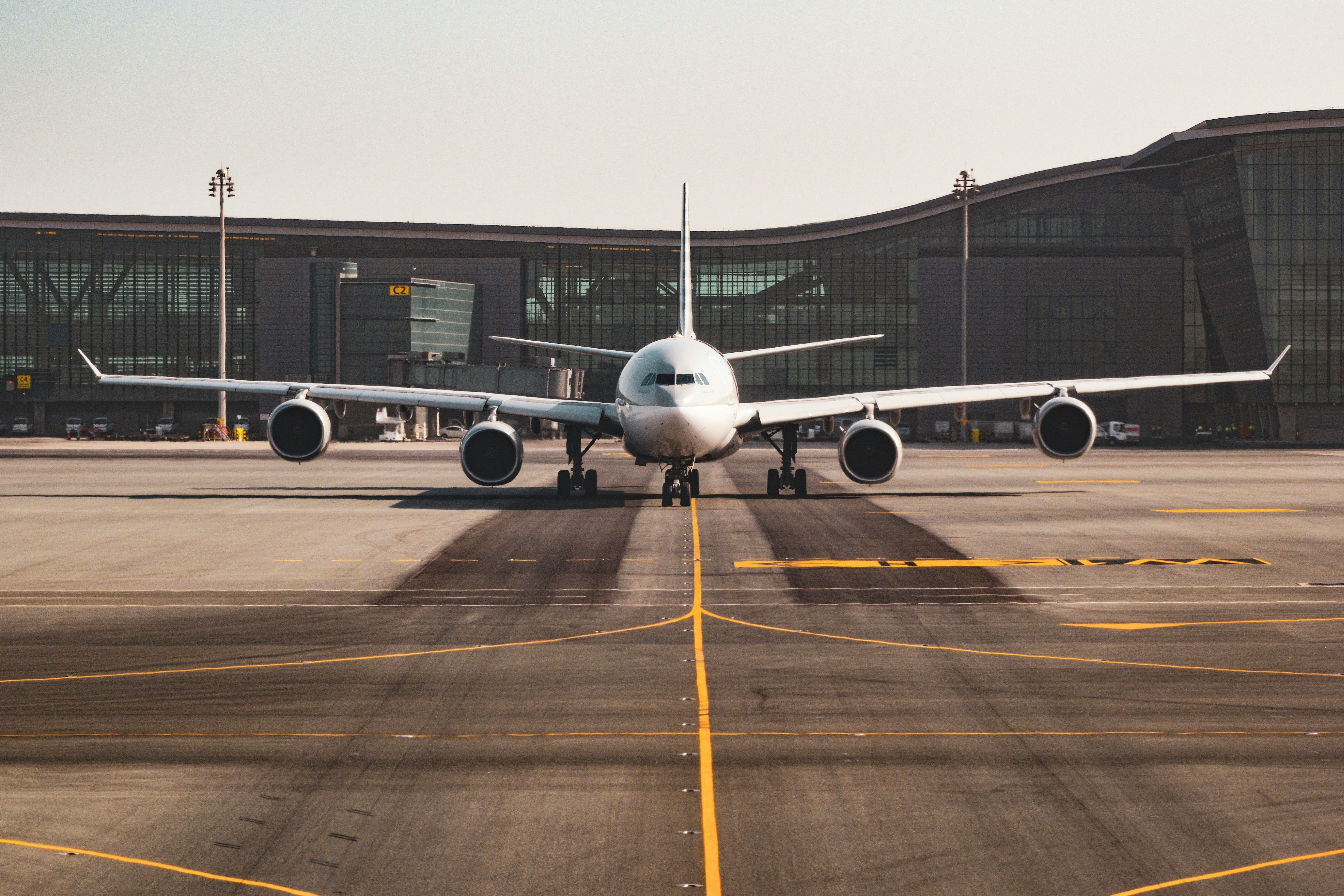
This image is used for illustrative purposes only.
A two-decade dispute that refuses to die
The Airbus-Boeing quarrel is one of the longest and costliest trade disputes in the history of the multilateral trading system. It began in the early 2000s when the United States brought a case before the World Trade Organization (WTO), the global body that adjudicates trade disputes between nations, arguing that European Union member states were illegally subsidizing Airbus through below-market loans. Brussels struck back with its own complaint, arguing that Pentagon and NASA contracts amounted to disguised subsidies for Boeing.
After two decades of legal proceedings, the dispute escalated into a full tariff war. Both sides imposed punitive duties on products with no connection to aircraft manufacturing — European cheeses, French wines, American whiskey, tobacco. Combined damage: $11.5 billion in affected trade on both sides.
A truce brokered in 2021 under the Biden administration — entering into force on July 11 of that year — suspended those retaliatory measures for five years without resolving the underlying dispute. It also established a joint working group tasked with addressing the root subsidies question, though that effort produced no binding agreement. The countdown is now running: the deadline is July 11, 2026.
Turnberry under pressure: a fragile agreement from the start
The Turnberry agreement, struck in July 2025 in Scotland between President Donald Trump and European Commission President Ursula von der Leyen — the EU’s executive arm — was presented as a cornerstone of transatlantic trade stabilization. In exchange for the EU lowering its tariffs on American goods, Washington committed to keeping average duties on European imports below a 15% ceiling.
But that balance is precarious. The Trump administration included in its Trade Policy Agenda 2026 a provision stating that the U.S. Trade Representative will decide in July whether to activate Section 301 of the Trade Act of 1974 — the legal instrument that allows Washington to unilaterally impose punitive tariffs on trading partners. Last week, Washington already wielded that threat, proposing 10% tariffs on European goods over a forced labor investigation. Those tariffs, if enacted, would stack on top of existing duties and push the average above the 15% ceiling set by Turnberry.
Bernd Lange, a German member of the European Parliament (MEP) and a central figure in EU trade negotiations, publicly voiced his alarm Thursday before reporters.
“I hope this will not blow up.”
The Trump tariff playbook
What makes the scenario particularly dangerous is that the Trump administration has consistently used tariffs as a pressure tool in disputes with no direct commercial dimension. The EU has already experienced this dynamic: earlier this year, Washington brandished tariffs to back its push to acquire Greenland. More recently, a threat of 25% duties on European automobiles was issued after German Chancellor Friedrich Merz criticized the U.S. posture on the war with Iran.
Against this backdrop, a reopening of the Airbus-Boeing file would give Washington an additional pretext — this time technically grounded in a WTO ruling — to apply pressure on Brussels. The European Commission acknowledged that talks are underway to secure an extension of the truce, but no deal has been announced.
The European Parliament, which holds the ratification vote Tuesday, successfully pushed for safeguards designed to protect the agreement from new American tariff hikes. But safeguards are only as strong as the other party’s willingness to honor them. In the Trump administration’s trade logic, a ratified agreement is not necessarily a respected one.
The bottom line
The Turnberry agreement is presented as a diplomatic success. It may prove to be a stress test. If Washington chooses to let the Airbus-Boeing truce expire without renewal — or worse, uses it as a pretext for retaliation — next week’s ratification vote will have ratified a deal already undermined. The real question is not whether the European Parliament will approve the agreement. It is whether Washington intends to honor it once midterm elections reshape the internal balance of power within the Trump administration.
Sources: Euronews · U.S. Trade Representative (Trade Policy Agenda 2026) · European Parliament